


Description
Product Overview
Discover the art of basket making through a meticulously crafted Kindle eBook that blends traditional craftsmanship with modern instructional design. Spanning 166 pages, the guide presents a clear progression from basic weaving concepts to advanced project techniques, allowing readers to develop confidence at every stage. Each chapter is enriched with high‑resolution photographs that capture the texture of natural fibers, the tension of warp and weft, and the finished form of each basket, providing visual cues that complement the step‑by‑step instructions. The eBook leverages Kindle’s enhanced typesetting and page‑flip features, ensuring a smooth reading experience on any device, while the accessible format supports screen readers for inclusive learning. In addition to detailed tutorials, the guide includes material selection charts, tool maintenance tips, and a curated list of resources for sourcing sustainable reeds, grasses, and synthetic fibers. Whether you are a hobbyist seeking a new pastime or an artisan expanding your portfolio, this comprehensive resource equips you with the knowledge to create functional and decorative woven pieces.
Beyond the core tutorials, the eBook delves into the cultural heritage of basket weaving, tracing its origins across continents and highlighting how traditional motifs can be adapted for contemporary décor. Readers are introduced to the symbolism behind common patterns, such as the interlocking diamond that represents unity, and are encouraged to personalize their creations with color dyes or mixed‑media accents. The narrative balances historical context with practical instruction, allowing enthusiasts to appreciate the craft’s legacy while applying modern design sensibilities.
The guide also addresses common challenges faced by beginners, such as maintaining even tension, preventing fiber breakage, and achieving symmetrical shapes. Practical troubleshooting tips are presented in concise sidebars, offering quick references that can be bookmarked for on‑the‑spot problem solving. Additionally, each project concludes with a checklist that confirms the completion of critical steps, ensuring that the final basket meets both aesthetic and functional standards. This systematic approach reduces trial‑and‑error time and builds confidence as the learner progresses through increasingly intricate designs.
Usage
Designed for flexibility, the eBook can be consulted in a variety of settings, from a quiet studio to a bustling workshop. Readers can follow the tutorials while seated at a crafting table, using a tablet or Kindle device to view the detailed images and instructions side by side with their materials. The portable format allows you to take the guide outdoors, perfect for community craft fairs or garden gatherings where you can demonstrate basket weaving techniques in real time. Because the file size is modest, the book loads quickly, enabling seamless navigation between chapters as you progress through projects. The content also addresses seasonal considerations, suggesting appropriate fiber choices for summer breezes or winter décor, making the guide a year‑round companion for creative expression.
Because the eBook is fully searchable, users can instantly locate specific techniques such as the ‘twist‑and‑turn’ method or the proper way to finish a rim, saving valuable time during hands‑on sessions. The Kindle’s built‑in dictionary also allows you to look up unfamiliar terminology without leaving the page, fostering a seamless learning flow. For those who prefer a printed reference, the file can be sent to a Kindle printer‑friendly format, producing a compact booklet that can be clipped to a workbench for quick reference.
Educators and workshop leaders will find the eBook valuable as a curriculum supplement, as it aligns with adult‑learning principles by combining visual, auditory, and kinesthetic elements. The author provides suggested lesson plans that break the material into manageable modules, each lasting approximately 45 minutes, making it easy to integrate into community center classes or summer camp programs. By following the structured schedule, instructors can track participant progress and adapt the difficulty level to suit diverse skill sets, ensuring an inclusive and rewarding learning environment.
Why Choose Us
Choosing this Kindle eBook means investing in a resource that reflects years of hands‑on experience from seasoned basket makers. The author has curated each lesson to eliminate guesswork, providing clear milestones that track your progress and celebrate each completed piece. Quality assurance is built into the digital format: every illustration has been optimized for clarity on both high‑resolution tablets and basic e‑ink readers, ensuring that details such as knot placement and fiber tension remain visible. In addition, the guide offers ongoing support through a dedicated online forum where readers can share photos, ask questions, and receive feedback from the author and a community of peers. This after‑sales service extends the lifespan of the book beyond its initial purchase, turning a static document into a living learning environment. By prioritizing accessibility, sustainability, and continuous improvement, the eBook stands out as a trustworthy companion for anyone serious about mastering basket making.
The development process involved extensive field testing with artisans across three continents, ensuring that the instructions are universally applicable regardless of regional material availability. Feedback loops were established to refine each step, resulting in a final product that minimizes ambiguity and maximizes clarity. This rigorous validation distinguishes the guide from generic online tutorials, which often overlook nuanced differences in fiber behavior and tool ergonomics. As a result, readers benefit from a polished, professionally vetted resource that accelerates mastery.
In addition to the core content, the author offers a complimentary set of downloadable templates that can be printed and used as pattern guides for complex shapes such as oval trays or decorative wall hangings. These templates are designed to scale, allowing users to adjust dimensions to suit their specific project requirements without compromising structural integrity. The inclusion of these practical tools reflects a commitment to providing a complete solution that supports both creative exploration and technical precision.
Materials and Techniques
The eBook categorizes fibers into three primary groups: natural, synthetic, and blended, each with distinct properties that influence flexibility, durability, and aesthetic appeal. Natural fibers such as willow, rattan, and seagrass offer a rustic charm and are biodegradable, making them ideal for eco‑friendly projects. Synthetic options like nylon and polypropylene provide superior water resistance and strength, suitable for outdoor applications or high‑traffic use. Blended materials combine the best of both worlds, delivering the tactile warmth of natural fibers while benefiting from the resilience of synthetics.
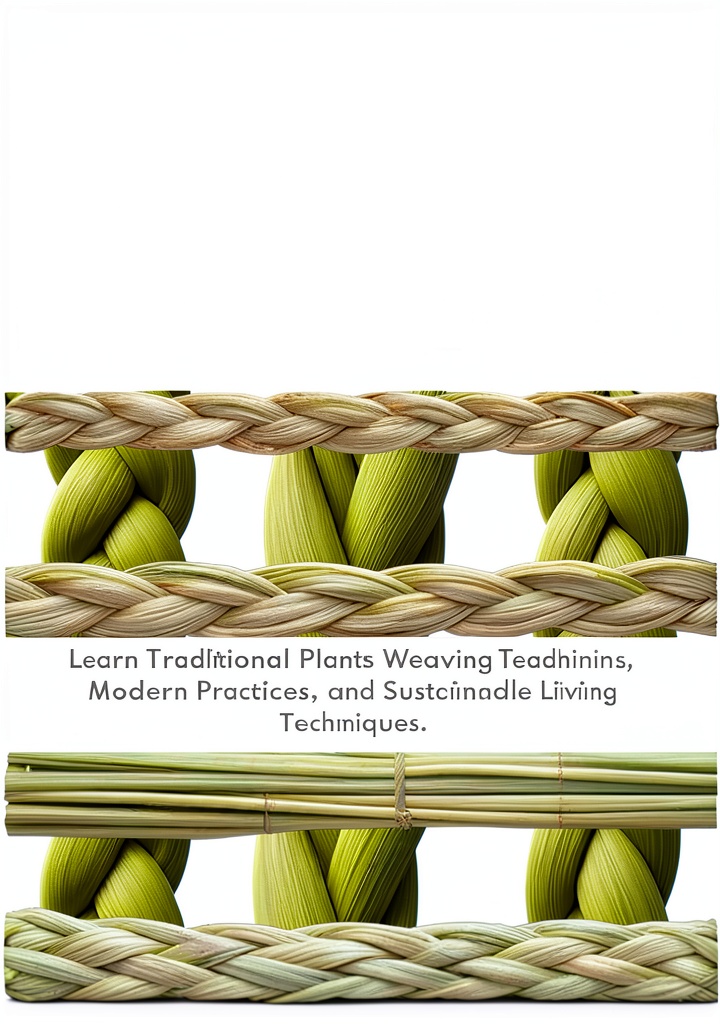
Technique sections cover foundational skills such as preparing the warp, mastering the basic over‑under weave, and finishing edges with decorative knots. Advanced chapters introduce specialized methods like coiling, twining, and plaiting, each accompanied by stepwise diagrams that illustrate the motion of the hand and the placement of the fiber. The author emphasizes ergonomics, recommending proper posture and tool handling to prevent strain during prolonged sessions. By integrating safety guidelines with creative instruction, the guide ensures that users can pursue their craft sustainably and comfortably.
Project Ideas
To inspire creativity, the eBook presents a curated gallery of ten ready‑to‑make projects ranging from simple market baskets to elaborate decorative lanterns. Each project description includes estimated completion time, required materials, and suggested color palettes, enabling readers to select a design that matches their skill level and personal taste. Seasonal themes are highlighted, such as a harvest‑inspired corn holder for autumn festivals or a lightweight beach tote for summer outings. These ideas serve as both a practical roadmap and a source of artistic motivation, encouraging users to experiment and expand their repertoire.
Customer Testimonials
Emily R., a stay‑at‑home mother from Ohio, shares how the eBook transformed her weekend hobby into a small home‑based business. After completing the introductory wicker basket project, she reported a noticeable increase in confidence and began experimenting with larger storage containers for her garden. Within three months, Emily sold over fifty handcrafted pieces through an online marketplace, attributing her success to the clear step‑by‑step guidance and the practical tips on finishing techniques that gave her products a professional appearance. She praises the downloadable templates for saving time on pattern drafting and highlights the supportive community forum as a valuable source of encouragement and constructive feedback.
Javier M., a retired engineer in Spain, discovered the guide while searching for a new creative outlet after retirement. He appreciated the detailed material comparison charts, which helped him select a blend of bamboo and synthetic fibers that offered both flexibility and durability for his outdoor patio baskets. Javier notes that the ergonomic advice reduced strain on his wrists during long weaving sessions, allowing him to complete projects that previously seemed daunting. He also values the periodic updates that introduced fresh patterns, keeping his craft engaging and ensuring that his skill set continues to evolve.
Advanced Techniques
The advanced section introduces the art of three‑dimensional basket construction, enabling creators to produce sculptural pieces that serve as functional art. Readers learn to manipulate the base weave into curved forms by gradually adjusting tension and incorporating strategic coil placements, a method that transforms a flat basket into a rounded vase‑like container. Detailed diagrams illustrate the incremental steps, showing how each additional row of weft alters the silhouette and how to maintain structural integrity while expanding the shape. The guide also covers the integration of mixed materials, such as embedding thin metal wires for added rigidity or incorporating fabric strips for decorative contrast. By mastering these techniques, artisans can expand their portfolio to include decorative lighting shades, wall‑mounted storage solutions, and bespoke gift items that stand out in a crowded market.
To further challenge seasoned weavers, the eBook presents a series of collaborative projects that encourage group participation and skill sharing. One example is the community‑woven market basket, where each participant contributes a segment of the overall structure, resulting in a large‑scale piece that showcases collective craftsmanship. Instructions detail how to coordinate color schemes, synchronize weaving rhythms, and securely join individual sections without compromising the overall aesthetic. The collaborative approach not only fosters a sense of camaraderie but also introduces economies of scale, allowing groups to produce high‑quality baskets at reduced material costs. These projects are ideal for craft clubs, educational workshops, and social enterprises seeking to combine creativity with social impact.
Care and Maintenance
Proper care extends the lifespan of woven baskets, preserving both their appearance and structural strength. The guide advises gentle dusting with a soft brush and occasional spot cleaning using a mild soap solution, avoiding excessive moisture that can cause fiber swelling. For natural fiber baskets, the author recommends applying a natural oil finish once a year to protect against UV degradation and to enhance the material’s natural luster. Synthetic baskets benefit from a quick rinse with water and a brief air‑dry, as they are less susceptible to rot but can accumulate surface grime. Storage tips include keeping baskets in a cool, dry environment and supporting their shape with a lightweight internal frame when not in use. By following these maintenance routines, owners can ensure their handcrafted pieces remain functional and beautiful for years to come.
FAQ
Can I read this eBook on a regular Kindle e‑reader?
Yes, the file is formatted for all Kindle devices, including basic e‑ink readers, so you can access the content whether you use a Kindle Paperwhite, Oasis, or the Kindle app on other platforms.
Do I need any special tools to start the projects?
The guide recommends common basket‑making tools such as a weaving fork, scissors, and a dampening spray, all of which are inexpensive and widely available at craft stores or online.
Is the eBook updated with new projects?
Periodically the author releases free updates that add new patterns and techniques, which are delivered automatically to your Kindle library when you connect to the internet.
What if I have questions while working on a basket?
You can post your queries in the dedicated support forum, where the author and experienced members respond quickly, providing tips, troubleshooting advice, and encouragement.
Embrace the timeless craft of basket making with this expertly crafted guide and start creating functional art that reflects your personal style.

 Arabic Science & Math Kindle eBook by E‑KUTUB Ltd Enhanced Typesetting
Reviews
There are no reviews yet.